Bridle Ring Installation Guide
Bridle rings are a very common cable support solutions used in structured cabling, low-voltage, electrical, security, and communications installations. They provide a simple, cost-effective way to support low-voltage cables while maintaining proper cable routing throughout a building.
Choosing the correct mounting hardware is just as important as selecting the right bridle ring. The best installation method depends on the surface you are attaching to, whether it's wood framing, structural steel, steel decking, or concrete. Using the proper fastener helps ensure a secure installation, saves time on the job, and provides long-term reliability.
This guide explains the most common methods for installing bridle rings in a variety of construction applications. You'll learn which fasteners, clamps, anchors, and accessories are best suited for each mounting surface, helping you choose the right hardware for your next cable installation project. Commercial construction presents a variety of structural materials including steel beams, bar joists, concrete, masonry, wood trusses, and concrete over metal decking.
This guide focuses on helping contractors choose the best
mounting hardware for virtually every common jobsite condition. Rather than
discussing cable fill, support spacing, or whether a bridle ring is the proper
cable support, we'll assume those decisions have already been made. Instead,
we'll concentrate on selecting the fastest, safest, and most reliable method of
mounting your bridle rings.
Quick Navigation
- Choosing the Right Fastener
- Installing Bridle Rings to Structural Steel
- Hammer-On Beam Clamps
- Screw Beam Clamps
- Magnetic Fasteners
- Concrete Installation
- Concrete Over Metal Deck
- Hollow Core Concrete
- Post-Tension Concrete
- Wood Beams & Trusses
- Recommended Hardware
- Frequently Asked Questions
Choosing the Right Bridle Ring Fastener
There isn't a single fastener that works for every installation. Before selecting mounting hardware, take a few moments to evaluate the structure you're fastening to and the conditions of the installation. A few simple questions can quickly narrow down the best option.
1. What Material Are You Fastening To?
Common building materials include:
- Structural steel
- Bar joists
- I-beams
- Steel columns
- Poured concrete
- Concrete over metal deck
- Hollow core concrete (SpanCrete)
- Post-tension concrete
- Wood beams and trusses
Each surface requires a different attachment method. For example, a hammer-on beam clamp works exceptionally well on steel joists but obviously cannot be used in concrete. Likewise, a concrete rod hanger performs well in concrete but has no application on structural steel.
2. Is Drilling Allowed?
Many commercial buildings prohibit drilling into structural steel members. Hospitals, manufacturing facilities, and leased commercial spaces often require non-invasive attachment methods. Beam clamps and magnetic fasteners provide excellent alternatives that avoid drilling while maintaining a secure installation.
3. Is the Installation Permanent or Temporary?
Temporary cable installations, testing environments, and equipment upgrades may benefit from removable mounting hardware such as magnetic fasteners or beam clamps. Permanent installations often favor rod hangers, drop-in anchors, or other mechanically fastened systems.
4. How Important Is Installation Speed?
Labor is one of the largest costs on any installation project. Choosing a fastening method that installs in seconds instead of minutes can significantly reduce labor costs, especially on projects involving hundreds of cable supports.
Recommended Fasteners by Mounting Surface
Installing Bridle Rings to Structural Steel
Structural steel is one of the most common mounting surfaces encountered in commercial construction. Warehouses, schools, manufacturing plants, office buildings, retail stores, and distribution centers all rely heavily on structural steel framing. Fortunately, steel also provides some of the fastest and most versatile mounting options available.
Typical steel members include wide flange beams, I-beams, columns, bar joists, roof trusses, and miscellaneous structural steel. Depending on flange thickness and accessibility, contractors generally choose between hammer-on beam clamps, screw beam clamps, or magnetic mounting systems.
Installing Bridle Rings to Bar Joists
Bar joists are probably the most common structural member encountered when installing low-voltage cable supports. Most warehouse ceilings, manufacturing facilities, and commercial buildings utilize open web steel joists that feature relatively thin flanges, typically ranging from approximately 1/8 inch to 1/4 inch thick.
Because of these thinner langes, hammer-on beam clamps have become one of the preferred installation methods. Installation requires only a few taps with a hammer, allowing contractors to quickly install cable supports without drilling or welding.
Hammer-On Beam Clamps
Hammer-on beam clamps remain one of the fastest and most economical ways to mount bridle rings to structural steel. They are designed to grip the flange of a steel beam securely while providing threaded attachment points for a variety of cable supports.
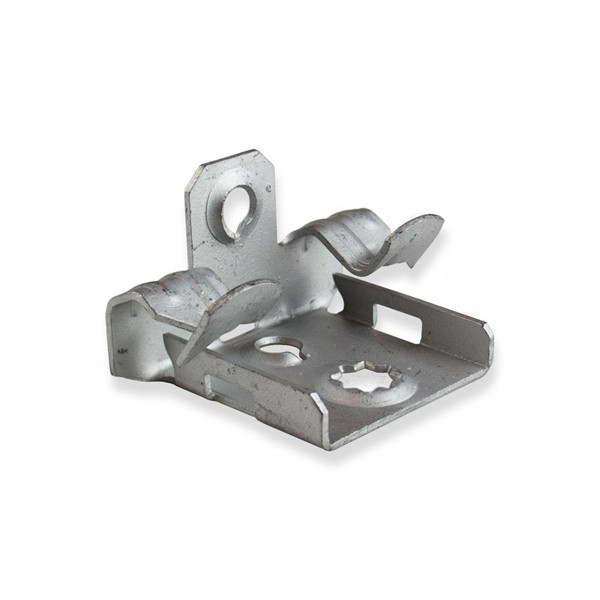
Most hammer-on beam clamps provide both:
- 1/4"-20 threaded hole
- 10-24 threaded hole
This versatility allows many styles of bridle rings to be installed directly into the beam clamp without additional adapters. For installations where additional rigidity is desired, adding a standard hex nut beneath the bridle ring creates a jam nut that helps prevent the ring from rotating after installation.
Advantages of Hammer-On Beam Clamps
- Very fast installation
- No drilling required
- Low installed cost
- Ideal for bar joists
- Available for various flange thicknesses
Many models are available for flange thicknesses up to 3/4 inch, making them suitable for many structural steel applications beyond standard bar joists.
Screw Beam Clamps
When flange thickness varies or greater clamping force is desired, screw beam clamps become an excellent alternative. Instead of being driven onto the beam, these clamps tighten with a set screw that securely grips the steel flange.
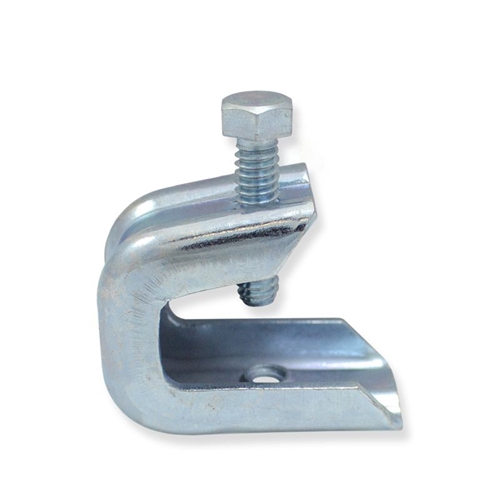
The three most common styles include:
- Pressed beam clamps
- Forged beam clamps
- Stamped beam clamps
For most structured cabling and electrical installations, pressed beam clamps provide the best balance of strength, versatility, appearance, and cost. Many include threaded mounting holes on both the bottom and side of the clamp, making them adaptable to a variety of installation situations.
Forged beam clamps offer additional strength and rigidity, making them an excellent choice when threaded rod is being suspended or when heavier support systems are required.
Magnetic Fasteners
High-strength magnetic fasteners provide an excellent solution whenever drilling or beam clamps are impractical. They are commonly used on structural steel, machinery, conveyor systems, and temporary cable installations where preserving the existing structure is important.
Many magnetic mounting systems include a 1/4"-20 threaded attachment point, allowing bridle rings to be installed directly onto the magnet. They can be repositioned quickly,
making them particulalry useful during equipment upgrades or temporary cable routing.
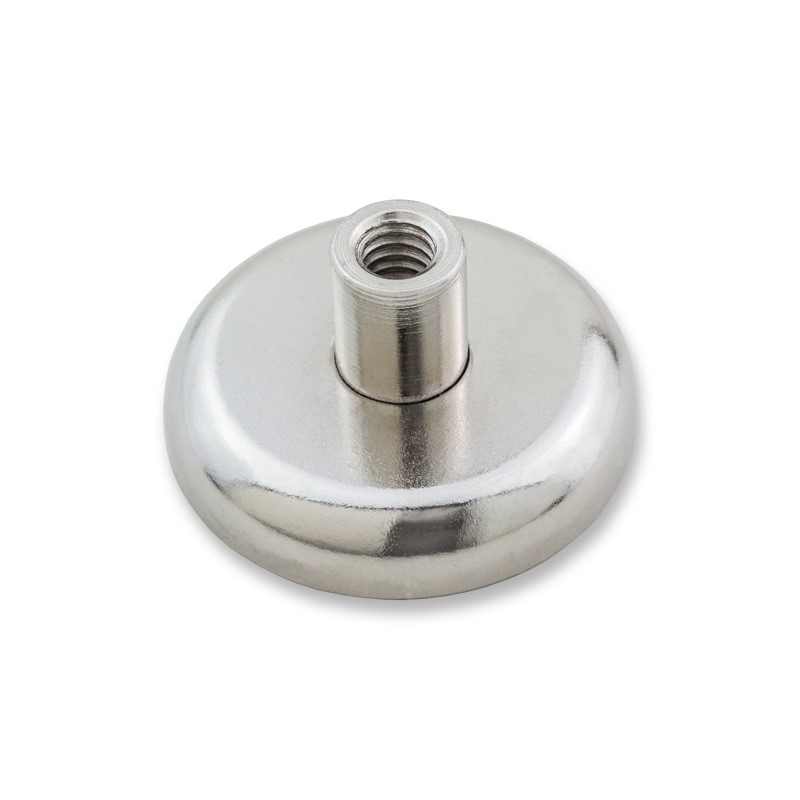
Magnetic fasteners are an excellent choice for:
- Temporary installations
- Machinery and conveyors
- Painted structural steel
- Applications where drilling is prohibited
- Equipment that may require future relocation
Although magnetic fasteners are extremely convenient, always verify the manufacturer's load ratings and ensure the mounting surface is clean and suitable for magnetic attachment.
Installing Bridle Rings to Concrete and Masonry
Concrete and masonry installations require more consideration than structural steel because the proper fastening method depends on the type of concrete, its condition, and the building's construction. While there are several excellent attachment methods available, not every anchor performs equally well in every application.
Before selecting a fastener, determine whether you are working with poured concrete, concrete over metal deck, hollow core concrete planks (often called SpanCrete), or post-tension concrete. Each requires a different installation approach to achieve the best results.
Installing Bridle Rings into Poured Concrete
Poured concrete is one of the most common mounting surfaces found in commercial construction. For decades, drop-in anchors have been the standard solution for suspending threaded rod and supporting bridle rings. While drop-in anchors remain an excellent choice, newer fastening systems have significantly reduced installation time.
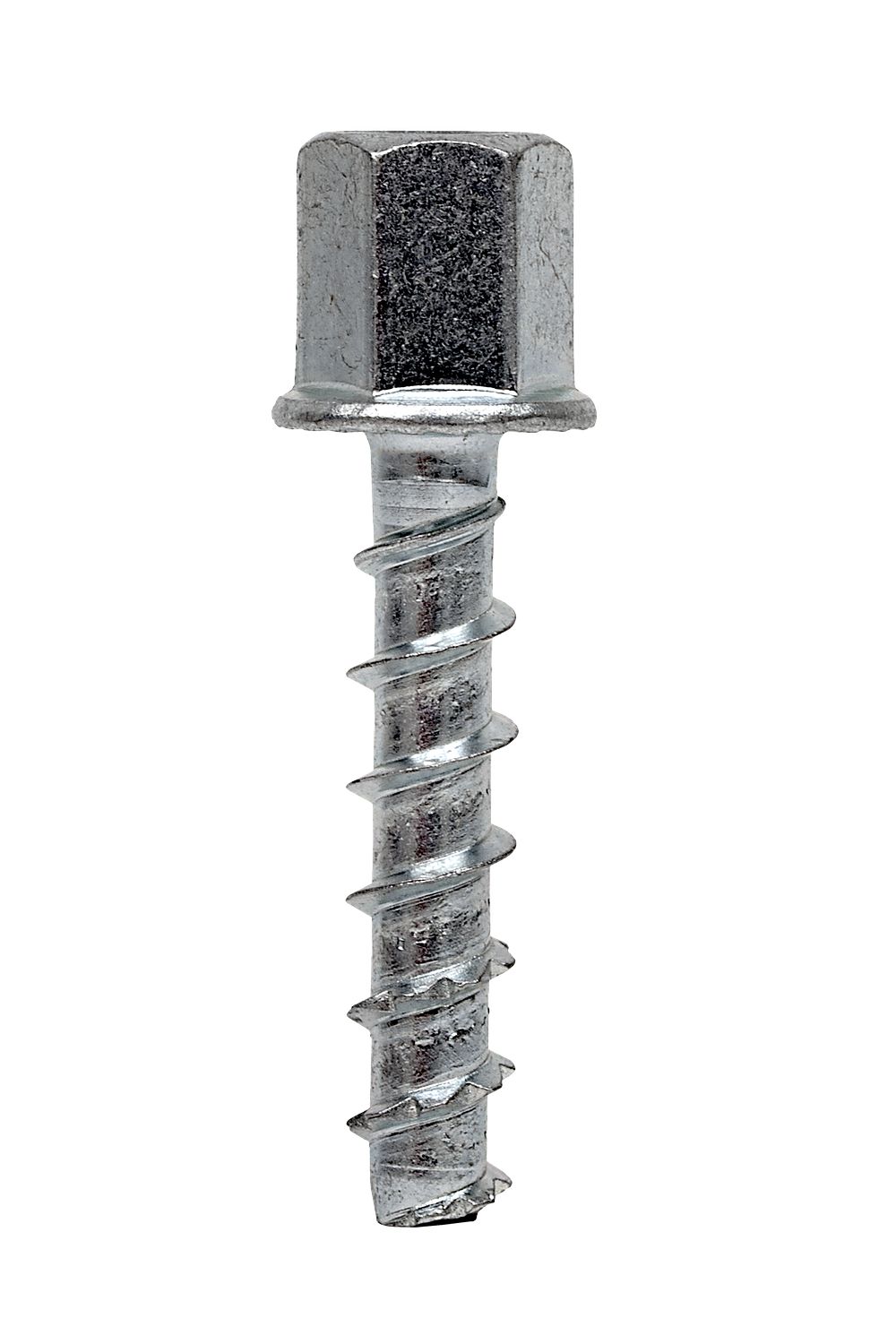
Today, concrete screw rod hangers have become a popular alternative. These fasteners combine the functions of a concrete screw and threaded rod coupler into a single piece, eliminating several installation steps while providing an extremely secure attachment point for bridle rings and other cable supports.
Advantages of Concrete Screw Rod Hangers
- Fast one-piece installation
- Drill and drive installation
- Excellent pull-out performance
- Ideal for overhead installations
- Reduces labor compared to traditional drop-in anchors
When speed and productivity are important, concrete screw rod hangers have become one of the preferred methods for supporting bridle rings in solid concrete ceilings.
Powder Actuated Fastening
When project conditions allow, powder actuated fastening is often the fastest method of installing overhead cable supports. Using a powder actuated tool, threaded brackets or rod hanger assemblies can be installed in only a few seconds, making this method especially attractive on large commercial projects.
Fasteners are available with integral threaded attachments that allow a bridle ring to be installed directly after the fastener has been driven into the concrete. This dramatically reduces installation time compared to drilling and setting conventional anchors.
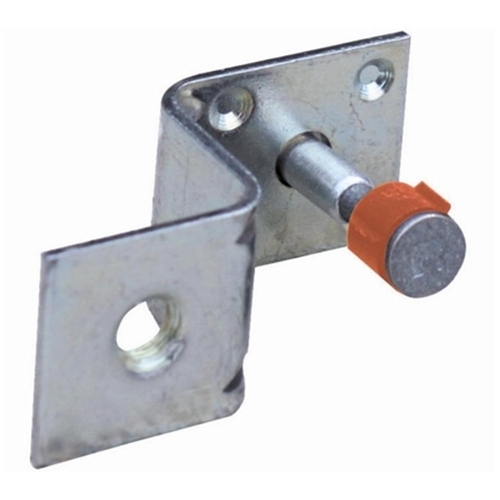
Powder actuated fastening works best when:
- The concrete is in good condition.
- The concrete is not excessively hard.
- The aggregate is suitable for direct fastening.
- Building specifications permit powder actuated tools.
Very old concrete, brittle concrete, or concrete containing particularly hard aggregate may reduce fastening performance. When conditions are questionable, performing a few test fastenings before beginning production work is always recommended.
Installing Bridle Rings into Concrete Over Metal Deck
Many commercial office buildings, schools, hospitals, and retail buildings utilize concrete poured over corrugated steel decking. This material is one of the best for utilizing direct fastening like a powder actuated tool like a Ramset or a Hilti
Concrete screw rod hangers continue to perform exceptionally well in these applications as well providing reliable holding power. Powder actuated fasteners may also be suitable depending. Gas and battery direct fastening tools may also be an option here.
Installing Bridle Rings into Hollow Core Concrete (SpanCrete)
Hollow core concrete planks, commonly referred to by many contractors as SpanCrete, require additional care during installation. Unlike solid concrete, these panels contain hollow cores separated by webs. The concrete over the hollow area can be very thin. Striking one of these hollow sections with a powder actuated fastener can produce inconsistent results and reduce holding capacity. Try to hit the solids.
For this reason, screw-installed rod hangers frequently provide one of the most dependable installation methods.
Best practices when working with hollow core concrete include:
- Stay away from panel edges whenever possible.
- Avoid fastening directly into hollow sections.
- Locate the solid concrete web before fastening.
- Predrill when recommended by the fastener manufacturer.
- Use screw-installed rod hangers for maximum reliability.
Installing Bridle Rings into Post-Tension Concrete
IMPORTANT SAFETY INFORMATION
Post-tension concrete contains steel cables placed under tension within the concrete slab. Accidentally drilling into one of these cables can result in severe structural damage, costly repairs, serious injury, or even death. Always verify the type of concrete before beginning any installation.
Most post-tension slabs allow only shallow drilling depths. Once the allowable drilling depth has been confirmed by the project engineer or building owner, shallow drop-in anchors are often the preferred fastening method because they require minimal embedment while providing a secure attachment point for threaded supports.
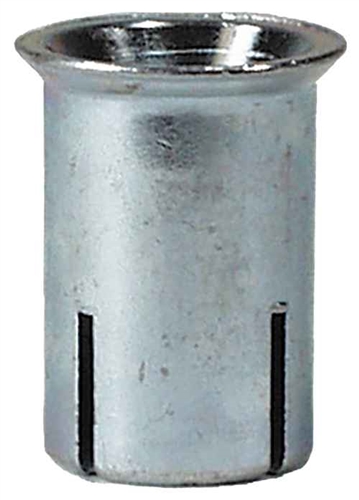 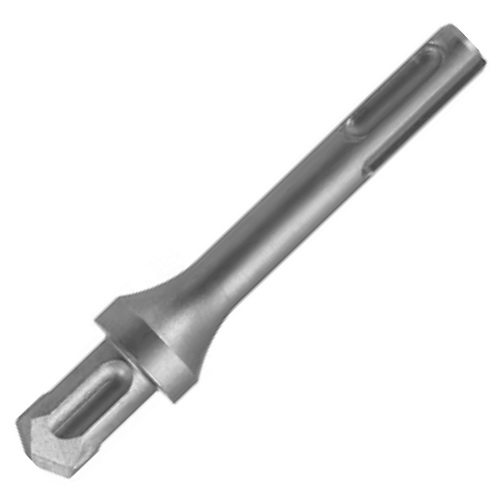
A stop bit should always be used whenever drilling into post-tension concrete. These specialized drill bits include a collar that physically prevents the drill from exceeding the specified drilling depth, greatly reducing the risk of contacting a tension cable.
Additional precautions may include:
- Reviewing structural drawings before drilling.
- Using X-ray scanning.
- Following all project specifications.
- Using only shallow embedment anchors approved for the application.
- Consulting the project engineer whenever cable locations are uncertain.
No installation method is worth risking damage to a post-tension cable. When there is any uncertainty regarding slab construction, stop work until the concrete type has been positively identified.
Installing Bridle Rings into Wood Beams and Trusses
Wood framing is commonly encountered in churches, schools, retail buildings, apartment complexes, and light commercial construction. Installing bridle rings into wood is generally straightforward and offers several excellent fastening options.
Wood Thread Bridle Rings
Some bridle rings feature integral wood screw threads. Installation simply requires drilling the recommended pilot hole before driving the bridle ring directly into the wood member. These are an economical solution for many lighter cable support applications.
Threaded Rod Screws
For commercial installations, threaded rod screws—commonly known as Sammy Screws—have become one of the preferred attachment methods. These fasteners combine an aggressive wood screw with a threaded coupler, allowing the bridle ring to be installed after the fastener has been driven into the wood.
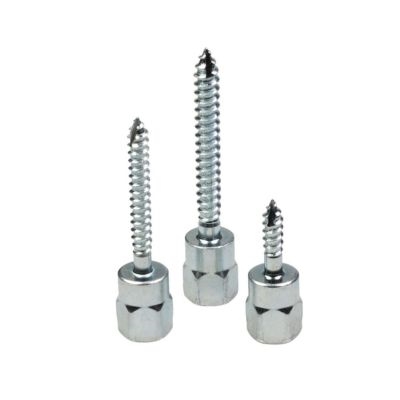
Benefits include:
- Fast installation
- Excellent holding power
- Professional appearance
- Easy replacement of the bridle ring if necessary
- Compatible with many commercial cable support systems
Most manufacturers recommend using the proper installation socket to prevent overdriving the screw and damaging the wood threads. Following the manufacturer's installation recommendations will help ensure maximum performance and long-term reliability.
Bridle Ring Fastener Selection Chart
The chart below provides a quick reference for selecting the most appropriate mounting method based on the building material. While multiple fastening methods may work in many situations, the recommendations below represent the most common choices used by low-voltage, electrical, and communications contractors.
|
Building Material
|
Recommended Fastener
|
Alternate Fastener
|
|
Bar Joists
|
Hammer-On Beam Clamp
|
Pressed Beam Clamp
|
|
Structural Steel Beams
|
Pressed Beam Clamp
|
Forged Beam Clamp
|
|
Steel Columns
|
Beam Clamp
|
Magnetic Fastener
|
|
Poured Concrete
|
Concrete Screw Rod Hanger
|
Drop-In Anchor
|
|
Concrete Over Metal Deck
|
Powder Actuated Fastener
|
Concrete Screw Rod Hanger
|
|
Hollow Core Concrete
|
Concrete Screw Rod Hanger
|
Shallow Drop-In Anchor
|
|
Post-Tension Concrete
|
Shallow Drop-In Anchor
|
Engineer Approved Anchor
|
|
Wood Beams & Trusses
|
Sammy Screw
|
Wood Thread Bridle Ring
|
Common Bridle Ring Installation Mistakes
Even experienced installers occasionally encounter problems that can usually be traced back to selecting the wrong fastener or overlooking the installation conditions. Spending a few extra minutes evaluating the structure before beginning work can prevent costly rework and improve the overall quality of the installation.
Using the Wrong Beam Clamp
Beam clamps are designed for specific flange thicknesses. Installing a clamp on a flange that is too thick or too thin may prevent the clamp from seating correctly and can reduce holding strength. Always verify the flange thickness before selecting a beam clamp.
Ignoring Flange Thickness
Hammer-on beam clamps work extremely well on thinner flanges commonly found on bar joists, while heavier structural members may require a screw beam clamp designed for thicker steel sections.
Overdriving Rod Hanger Screw Anchors
Driving a threaded rod screw too deeply into wood can damage the wood fibers or strip the threads, reducing holding power. Using the manufacturer's installation socket helps achieve the correct installation depth every time.
Fastening into Hollow Sections of Hollow Core Concrete
One of the most common mistakes when working with hollow core concrete is unknowingly fastening into one of the hollow voids rather than the structural web. Whenever possible, locate the solid portion of the plank before drilling or fastening.
Using Powder Actuated Fasteners in Unsuitable Concrete
Extremely hard concrete, deteriorated concrete, or concrete containing certain hard aggregates may not provide consistent results with powder actuated fastening. When in doubt, perform several test fastenings before beginning production work.
Drilling Too Deep into Post-Tension Concrete
This is perhaps the most serious installation mistake that can be made. Always verify the slab type before drilling and use a stop bit whenever shallow drilling is required. Never assume all concrete slabs are conventional reinforced concrete.
Recommended Products for Bridle Ring Installation
The following products are commonly used when installing bridle rings in commercial construction. Depending on the structure and installation requirements, one or more of these fastening methods may provide the best solution.
- Bridle Rings
- Hammer-On Beam Clamps
- Pressed Beam Clamps
- Forged Beam Clamps
- Magnetic Fasteners
- Concrete Screw Rod Hangers
- Drop-In Anchors
- Sammy Screws
- Threaded Rod Hangers
- Powder Actuated Fasteners
Selecting quality fastening hardware not only improves installation speed but also helps ensure a secure cable support system that will provide years of dependable service.
Final Thoughts
Every building presents its own installation challenges, but understanding the strengths and limitations of each fastening method allows contractors to work more efficiently while producing professional results. Whether you're mounting a single bridle ring or installing hundreds throughout a commercial project, selecting the correct fastener for the building material is one of the most important decisions you'll make.
As new fastening technologies continue to improve, installers now have more options than ever before. Beam clamps, concrete screw rod hangers, magnetic fasteners, threaded rod screws, and powder actuated fastening systems all offer unique advantages when used in the proper application. Choosing the right solution will reduce installation time, improve reliability, and help ensure a safe and professional cable support installation.
|


